



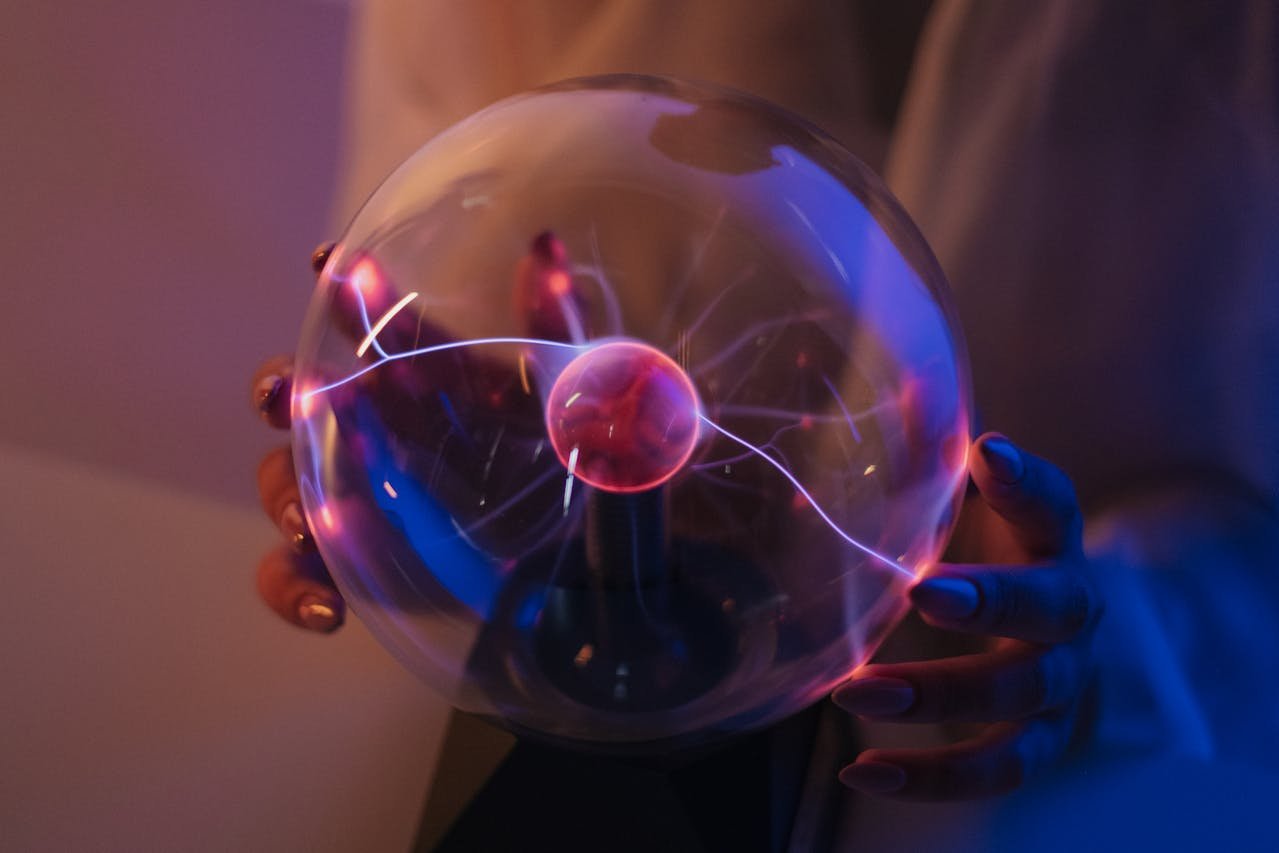
In your imagination envision something that cannot be seen, producing an invisible force that makes our world work. These forces are known as electromagnetic fields. They power our homes, keep our hearts beating by pumping blood, transmit wireless communications, and influence much more.
Let’s learn how this invisible force shapes our lives as we explore electromagnetic field theory.
Considering all the things that cannot be seen but play a role in shaping our world, many are drawn to science and especially to physics and mathematics. It can be so fascinating, yet in this report, we only talk about electromagnetic field theory.
Electromagnetic field theory is a study over electric as well as magnetic fields and their interaction with matter. Origin of many physical phenomena-like light, electricity, and magnetism-are these fields. Understanding how this theory works gives us an explanation of exactly how such electrical devices work and how we can influence these fields for many applications.
Basic Electromagnetic Fields
The electromagnetic fields consist of two parts:
- Electric Field: This is the force exerted from one electric charge to another. It is produced by electric charges.
- Magnetic Field: This one denotes the force exerted between magnetic poles. It is produced by moving electric charges, or current.
These two fields are dependent on each other and may create effects on each other. When they change, they may create waves in space, which is known as electromagnetic waves.
Electromagnetic Waves
Electromagnetic waves include many phenomena: radio waves, microwaves, infrared radiation, visible light, ultraviolet radiation, X-rays, and gamma rays. These are divided according to wavelength or frequency.
Visible light: It is an electromagnetic wave to which our eyes are sensitive-it is how we perceive the world around us.
Maxwell’s Equations
Maxwell’s Equations is a group of four fundamental equations describing the interaction of electric and magnetic fields. They form the foundation of electromagnetic field theory.
- Gauss’s Law for Electricity: It describes how electric charges give rise to an electric field.
- Gauss’s Law for Magnetism: It states that there do not exist magnetic monopoles; only closed loops of lines exist for the magnetic field.
- Faraday’s Law of Induction: It says that changing magnetic fields lead to electric fields.
- Ampere’s Law with Maxwell’s Addition: These state how electric currents and changing electric fields produce magnetic fields.
These equations specify how electromagnetic fields interact and respond to each other.
Electromagnetic Spectrum
All types of electromagnetic radiation possible constitute an electromagnetic spectrum. Classify by wavelength or frequency into the regions followed.
- Radio Waves: Used in communication, such as TV and radio broadcasts.
- Microwaves: Used by microwave ovens and radar.
- Infrared Radiation: Felt as heat, used for thermal imaging.
- Visible Light: That part of the electromagnetic spectrum can be seen by the human eye.
- Ultraviolet Radiation: Causes sunburn, used in sterilization.
- X-rays: Used in medical imaging.
- Gamma Rays: Emitted by radioactive materials, used in cancer treatment.
Practical Applications of Electromagnetic Field Theory
There are many practical applications of electromagnetic field theory in our everyday life. Some of them are as follows:
- Communication: Any amount of data can be sent over a long distance by electromagnetic waves. Radio waves, microwave and infrared radiation have been employed in a number of communication technologies such as TV, radio, mobile phones, and Wi-Fi.
- Medical Imaging: They work on electromagnetic field theory. It enables doctors to examine the interior of the human body without needing to conduct invasive surgery.
- Power Generation: The electromagnetic fields are mainly used in the power generation and its transport. Generators use electromagnetic induction to convert the mechanical energy into electricity. Power transformers alter the level of voltage in electricity for efficient transmission.
Electromagnetic force is one of the four fundamental forces of nature. Others are gravity, nuclear force, and nuclear force. It governs the charged particles and is quite relevant in the structure and interaction of matter.
Electric Forces
Electric forces are those which act between charged particles. Charges repel each other if they are identical. Charges which have a kind that is opposite attract each other. This is the basis of Coulomb’s Law.
Magnetic Forces
Magnetic forces are those forces that exist between magnetic poles. Like poles repel each other, while unlike poles attract one another. In any instance where moving charges cause electric currents, they also cause magnetic fields, and these latter fields exert forces on other moving charges.
Safety and Electromagnetic Fields
Although electromagnetic fields are practically indispensable for most applications, a little knowledge about the health effects is also important.
For instance, exposure over prolonged periods to high doses of radiation, like X-rays, is dangerous. In such a situation, there does exist general capability to minimize exposure when protection practices exist for the individual’s health.
Conclusion
Electromagnetic field theory reveals invisible forces that power our world and make modern technology. From communication to medical imaging, power generation and direct use of devices, electric and magnetic fields are constituents of our daily life.
Appreciate the wonder of this theory with basics of electric and magnetic fields, Maxwell’s Equations, and the electromagnetic spectrum.
Next time, whenever you call your friend with your telephone, watch a program in your television set, or visit a doctor to have an X ray produced, remember how wondrous electromagnetic forces are at work behind your scenes.
Have fun uncovering further discoveries and learning of the vast world of electromagnetic field theory!