


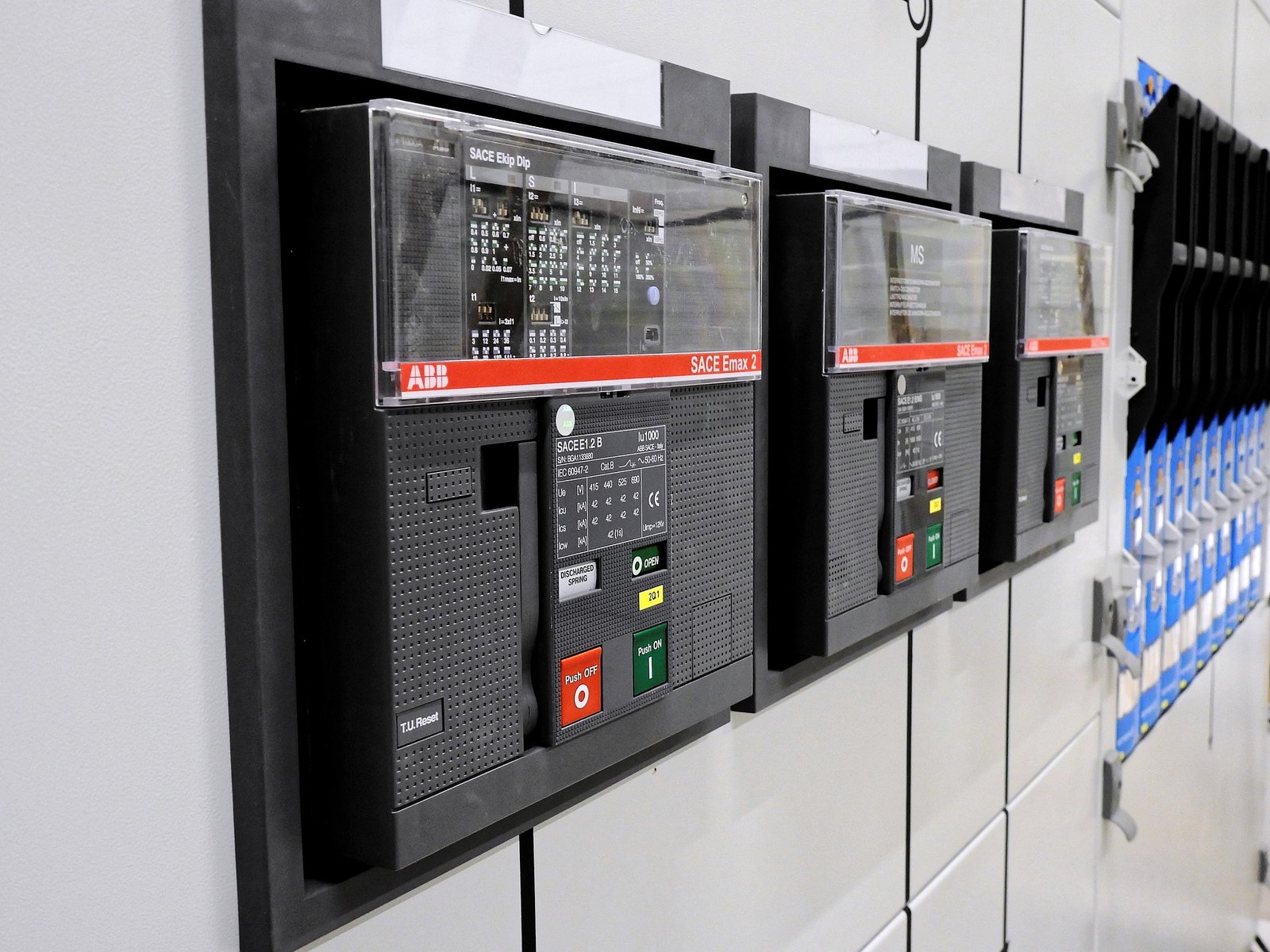
Low and medium-voltage switchgear forms the backbone of electrical distribution networks in commercial, industrial, and utility settings. As the critical link between power sources and loads, switchgear must operate with precision and reliability. Preventive maintenance ensures continuous and safe operation while maximizing the return on investment of these expensive assets. This article explores the fundamental aspects of switchgear preventive maintenance, its key components, and how it contributes to a robust asset management strategy.
Why Preventive Maintenance is Non-Negotiable
Preventive maintenance is a proactive strategy involving regularly scheduled inspections, testing, and servicing to keep equipment running efficiently . For switchgear, it is not just a cost but a vital investment in reliability and safety.
Preventing Catastrophic Failures
The most significant benefit is the early detection of developing faults. Issues such as insulation degradation, contact wear, and loose connections can be identified and corrected before they escalate into catastrophic failures, costly downtime, or safety incidents. Dust and metallic particles contribute to 34% of insulation failures, while humidity can increase contact resistance by up to 70%, making regular inspections critical.
Extending Equipment Lifespan
By proactively addressing wear and tear, such as lubricating mechanisms, cleaning insulating surfaces, and tightening connections, preventive maintenance extends the operational life of switchgear and its components.
Ensuring Safety
Switchgear maintenance is a critical safety measure. Loose connections create hot spots, increasing the risk of arc flash events—one of the most dangerous hazards in electrical work. Preventive checks also ensure that grounding systems, interlocks, and protective devices are functioning correctly to protect personnel.
Maximizing ROI
Unplanned downtime is expensive. A well-executed preventive maintenance program reduces both direct costs (emergency repairs) and indirect costs (production losses) . Condition-based maintenance can reduce unplanned downtime by up to 40%.
Key Components of a Switchgear Maintenance Program
An effective maintenance program addresses the entire system, from the enclosure to the protective relays.
Essential Maintenance Tasks
A structured checklist ensures consistency and quality . Key tasks include:
- Visual Inspections: Check for dust, moisture, corrosion, and physical damage. Inspect door seals and verify proper ventilation.
- Cleaning: Remove dust and dirt from insulating surfaces, as contamination creates conductive paths that can lead to flashovers.
- Mechanical Checks: Verify correct operation of all mechanisms, including interlocks, door hinges, and racking mechanisms. Perform lubrication as specified by the manufacturer.
- Electrical Testing: This forms the core of switchgear health assessment.
Critical Electrical Tests
Electrical testing verifies that the insulation and current-carrying components remain in good condition.
- Insulation Resistance Testing (Megger Test): This test measures the resistance of insulation to leakage current, detecting degradation from moisture, contamination, or aging.
- Contact Resistance Testing (Micro-ohmmeter): This test measures the resistance of bolted connections and circuit breaker contacts. High resistance indicates loose connections or contact wear, a primary cause of overheating.
- Protective Relay Testing: Relays are the brains of the switchgear, sensing faults and triggering circuit breakers. Testing confirms their settings and that they will operate correctly during a fault.
- Thermography (Infrared Scanning): While often performed online, regular thermal imaging identifies hot spots from loose connections or overloaded components before they cause failure.
- Partial Discharge Testing: For MV switchgear, partial discharge monitoring detects early insulation breakdown and is a powerful predictive maintenance tool.
Choosing the Right Maintenance Strategy
Modern maintenance goes beyond simple calendar-based schedules.
- Time-Based Maintenance: This is the traditional approach, performing tasks at fixed intervals (e.g., annually). While simpler, it can lead to unnecessary work or missing issues between intervals.
- Condition-Based Maintenance: This is an advanced approach where maintenance is performed based on the actual condition of the equipment, monitored using sensors and diagnostics. For example, an advanced trip unit can monitor the number of operations and key temperatures to signal when maintenance is needed. This is a more cost-effective approach, enabling dynamic scheduling that can extend the time between maintenance activities by up to two years compared to traditional schedules.
Critical Safety Procedures
Safety is paramount during any switchgear work. Strict protocols must be followed to protect personnel from arc flash, electric shock, and other hazards.
- Isolation and Lockout/Tagout (LOTO): All power sources must be disconnected, and locks/tags applied before work begins.
- Verify Absence of Voltage: Always use a properly rated voltage detector to confirm circuits are de-energized.
- Apply Grounds: Proper grounding protects workers from induced voltages and backfeed.
- Use Proper PPE: Wear appropriate personal protective equipment, including arc flash suits, face shields, and insulated gloves, based on the calculated arc flash hazard level.
Conclusion
Preventive maintenance for low and medium-voltage switchgear is an essential practice for ensuring safety, reliability, and cost-effectiveness in any electrical distribution system. By moving from a reactive “run-to-failure” approach to a proactive maintenance strategy, organizations can prevent catastrophic failures, extend asset life, and significantly reduce unplanned downtime. The most successful programs employ a combination of time-based and condition-based maintenance, leveraging modern monitoring and diagnostic tools to make data-driven decisions. Ultimately, a well-executed maintenance program protects not only the equipment but also the personnel who operate it.