


Electricity powers our lives, but do you know where it all comes from? Knowing the different generation methods is what gives us a reason to appreciate the various transformations that take place from nature to flipping that switch. Let’s take some time and discover how electricity is generated and what this looks like in our world.
What is Power Generation?
Power generation is the process of changing any form of raw energy available into electrical energy. This electrical energy is then directed through the transmission lines to homes, schools, and industries for use.
There are several methods of generating power which involve either the usage of natural resources or man-made processes.
Methods of Power Generation
- Fossil Fuels The most significant source of power is fossil fuels-coal, oil, and natural gas. The fuel burns to offer heat for converting water into steam. The steam runs a turbine harnessed to this process and produces electricity through a generator.
Advantages:
- Readily available and efficient
- The infrastructure is already very large in size
Disadvantages:
- Release greenhouse gases thus making the climate change
- These resources are limited; hence bound to get depleted
- Nuclear Power Nuclear Power Plants employ either uranium or plutonium to produce heat through nuclear fission. This heat is then changed into steam in order for it to turn the turbines and produce electricity during the process.
Advantages:
- Vast amount of energy produced from a small amount of fuel
- Low emission of greenhouse gas
Disadvantages:
- Radioactive waste is produced
- Risk of nuclear accident
- Hydroelectric Power Hydroelectric power obtains electricity from running water. Dams are erected along large rivers, all the water in a reservoir will have been trapped. The water is channeled out to run through turbines; hence, electricity is produced.
Advantages:
- Source of renewable and sustainable energy
- The running costs are very low
Disadvantages:
- This affects aquatic life due to environmental disturbance
- This only can be carried out in areas where there is adequate water flow
- Wind Power Wind power utilizes the kinetic energy in the wind using wind turbines. It is where the rotation of turbine blades caused by wind will rotate the generator to produce electricity.
Advantages:
- Wind is renewable and sustainable
- It functions at a low cost and produces no greenhouse gases
Disadvantages:
- Wind energy is inconsistent as it relies on whenever it is available, which is impossible for everyone.
- It changes the perspective of viewscapes and noise pollution in the neighborhood societies
- Solar Energy Solar energy converts sun rays directly into electricity by means of a photovoltaic cell and a solar panel.
Benefits:
- Wind is regenerative as well as sustainable
- It avoids the use of fossil fuels.
Disadvantages:
- The platform requires a huge space for its formation
- It does not work effectively on a rainy day or during night
- Geothermal Power Geothermal power uses the heat residing in the inner parts of the Earth to produce electricity. Wells are drilled into geothermal reservoirs to extract steam and hot water that power turbines connected to generators.
Advantages:
- Renewable and sustainable
- Produces fewer greenhouse gases
Disadvantages:
- Only applicable in geologically active areas
- High in terms of initial investment
How Do Power Plants Work?
Power plants are designed for efficiency in converting different forms of energy into electricity. Simple presentations about how different power plants work will be as follows:
- Burning or Harnessing Energy: Burning of fossil fuels, nuclear fission, flow of water, wind blowing, sunlight, and geothermal heat.
- Generating Steam or Direct Power: The heat or source of energy produces steam or drives a turbine directly.
- Turbine Power by Steam or Mechanism: The steam or mechanical energy provided in preliminary production is the source of power that energizes the turbine.
- Electrical Production: The rotating turbine, through power, revives a generator to produce electricity.
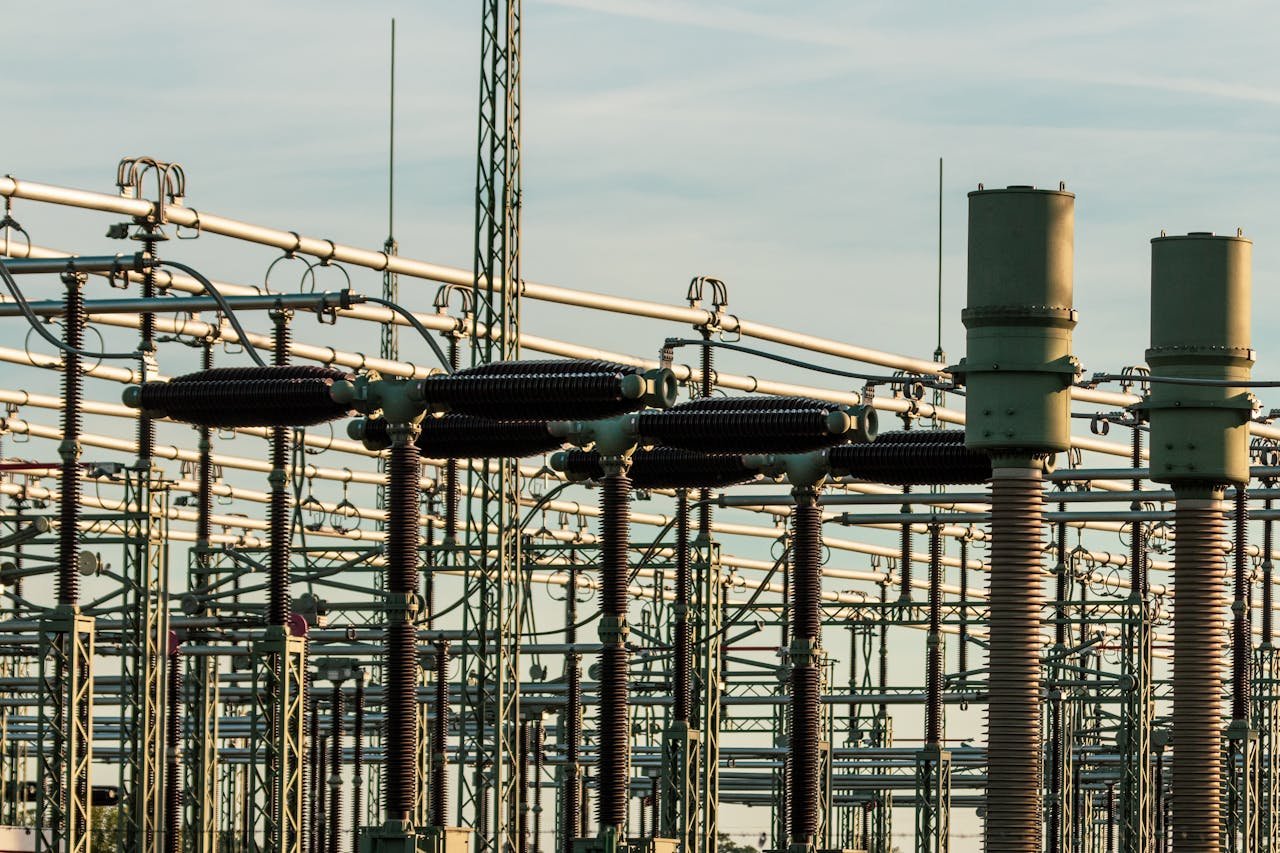
- Transmission of Electricity: Power lines convey electricity to homes, schools, and industries for utilization.
The Future of Power Generation
As the world moves on to better, more environmentally friendly sources of energy, renewable sources like wind, solar, and hydro have become part of the mix. Improvements and access continue with innovations and advancements in technology.
Renewable vs. Non-Renewable Energy
Renewable Energy: It comes from resources that are naturally replenished. These are sustainable and produce little or no greenhouse gases.
Non-Renewable Energy: Energy extracted from non-renewable sources, such as fossil and nuclear fuels. While these can also cause some environmental damage and are not renewable over thousands of years.
Saving Energy
Even as we seek other power sources, each one of us can work on saving energy. Here is a little idea that each of us can do:
- Light and appliances turned off when not needed
- Use energy-efficient bulbs and appliances
- Unplug chargers and devices, which are not in use
- Use renewable energy, at home through installing solar panels
Conclusion
Understanding the various ways of energy generation allows us to understand how we harness the resources nature offers us to run this modern world.
From fossil fuels to nuclear power and from wind to solar power, there are so many benefits and drawbacks that each one brings along. But in this future and its sustainability, we will hold dear the use of renewable resources.
Through them, we shall learn about the technology that lights up your life and the steps to lead you to a greener tomorrow. Let’s keep discovering and learning about the fantastic world of power generation!