



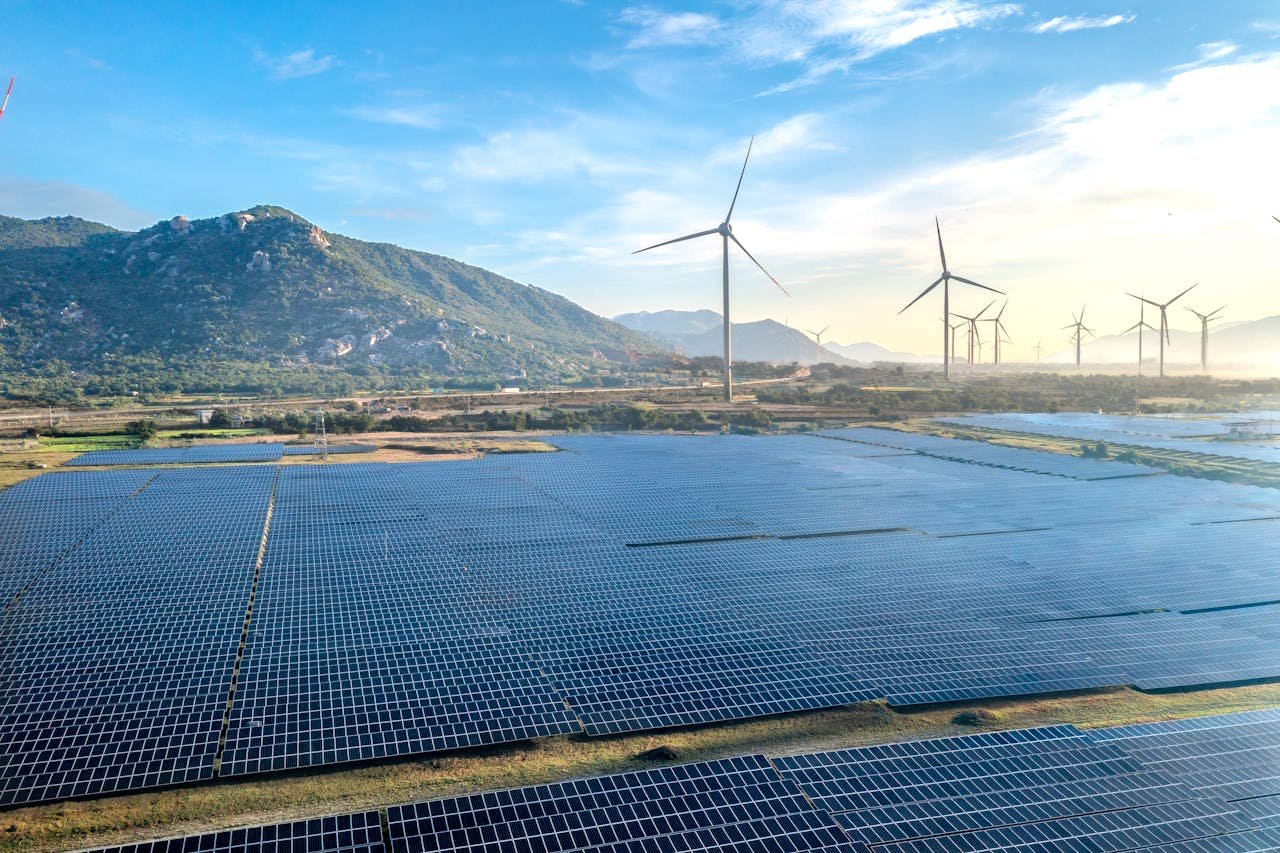
Ever stop and think really, where the energy was coming from that would power your phone or light your room? Such traditional sources of energy like coal and oil are limited and are killing our planet. This is why renewable energy is essential.
Let’s now discuss the renewable energy technologies and how they could help make a brighter, greener future.
What is Renewable Energy?
Renewable energy sources are those that are replenished continuously and are derived from any natural resource. Since fossil fuels are going to run out, the origin of renewable energy is inexhaustible and less harmful to the environment.
Types of Renewable Energy Technologies
There are a number of types of renewable energy technologies. Let’s take a glance at the most important of them:
Solar Power
Solar power captures the solar energy and converts it into electricity or heat. Photovoltaic cells are the chief technology used in harnessing the solar energy. They are mounted on the solar panels.
Advantages:
Clean source of energy which is non-exhaustible as well.
Electricity consumption bills reduce.
Maintenance cost of the source of the energy is minimal.
Disadvantages:
Depends completely on the weather conditions.
Requirement of huge space for installation.
Example: Light energy is produced through roofs of homes and schools covered with sun-lightening solar panels.
Wind Power
Wind power utilizes a wind turbine to create electricity from the kinetic energy generated by the wind. The wind causes it to turn the turbine blades which in turn make it have a rotational motion in the generator as it generates electricity.
Advantages:
It is renewable and renewable.
It has a very low running cost.
It frees an individual from dependence on fossil fuels.
Disadvantages:
It depends on how strong the winds are.
It harms local wildlife and landscapes.
Example: Several turbines are put together in a large wind farm for electricity generation in windy sites.
Hydropower
Hydropower harnesses the energy of running water to produce electricity. For example, rivers are throttled to form holding reservoirs behind dams. When let out, it flows through turbines to generate power.
Benefits:
Source of power.
Low greenhouse gas emissions.
It can be utilized for water storage and flood regulation purposes.
Drawbacks:
Improved aquatic life.
High capital costs.
Example: Hoover Dam Hydropower provides electricity to millions of people in the United States.
Biomass Energy
Biomass Energy Biomass energy is energy derived from organic matter including plants, wood, and waste. The organic materials are combusted or transformed into biofuels to produce heat or electricity.
Advantages:
Biomass minimizes wastes since organic products are consumed.
It is a renewable source and clean.
Greenhouse gas emissions can be minimized.
Disadvantages:
It emits harmful pollutants.
Needs large areas for the generation of biomass.
Example: Biomass power plants burn agricultural waste products to generate electricity.
Geothermal Energy
Geothermal energy harnesses heat directly from the Earth’s core to generate both electricity and heat. Wells are drilled into geothermal reservoirs to extract steam and hot water, which are used to run turbines connected to generators.
Advantages:
Reliable and stable source of electricity.
Low carbon levels.
Minimizes land usage.
Disadvantages:
Suitable only for areas that exhibit geothermal activity.
Massive initial, huge capital costs.
Example: Iceland’s geothermal power plants provide the country with renewable energy.
How Do Renewable Energy Technologies Work?
Another means of harnessing energy with each one of renewable energy technologies is in direct conversion of natural resources into usable forms of energy. Summary: This is a very basic breakdown of the kinds of renewable energy technologies and how they work.
Solar Energy: the sun’s rays is absorbed by the photovoltaic cell, while in the photovoltaic cells, those rays are converted into electric current.
Wind Energy: Wind energy from the kinetic energy wind from wind turbines converted into electricity.
Hydropower: Hydropower contains a reservoir, holding water flowing through large turbines that generate power.
Biomass Energy: Biomass consists of organic materials or substances. They can be combusted or converted to biofuels and generate both heat and electricity.
Geothermal Energy: Heat from the center of the Earth is captured to develop steam, which turns turbines to produce electricity in an electrical generator.
Benefits of Renewable Energy Technologies
Renewable energy technologies have various benefits:
Economic Benefits: This reduces emission of carbon dioxide and other pollutants. This energy source is permanent and sure. Fosters employment in renewable energy. It reduces dependency on imported fossil fuels.
Limitations of Renewable Energy Technologies
Though renewable energy has wide benefits, there are so many challenges to cross:
Higher Installation and Infrastructure Costs: High costs of investment for installation and infrastructures.
Intermittency: Power cannot be guaranteed to be on continuously from some sources, such as solar and wind sources, because they depend on weather.
Land Use: All these technologies require much land space in their implementation, especially the solar and the wind farms.
Renew Energy Technologies of the Future
In renewable energy sources, new technological development will eventually aid in increasing efficiency and access. Innovation in energy storage, smart grids, and microgrids is helping to address issues concerning intermittency and integration.
This becomes a step in a future regularly filled with more action toward cleaner and sustainable conditions as governments and industries spend more in renewable energy.
Easy Ways to Support Renewable Energy
You may be an advocate to renewable energy. Here are easy steps you can consider doing:
Reduce your use of energy: Switch off lights and appliances when not in use.
Energy-efficient devices: Make use of energy-saving appliances and lighting.
Promotion of Renewable Energy Initiatives: Support, invest in renewable energy projects in your area.
Renewable Energy for Your Home: Install solar panels or participate in green energy programs.
Conclusion
Really, the study of renewable energy technologies indicates great potential for a cleaner, greener future.
Biomass, wind and solar power, hydropower, and geothermal energy can be sustainable technologies for providing energy because it will satisfy our present energy needs.
It would work in ways that help them understand and contribute to their development, even more useful in environmental impact reduction and giving a bright future for the generations to come.
Let’s embrace the power of renewable energy and take steps toward a sustainable world!